Why This Even Matters to You
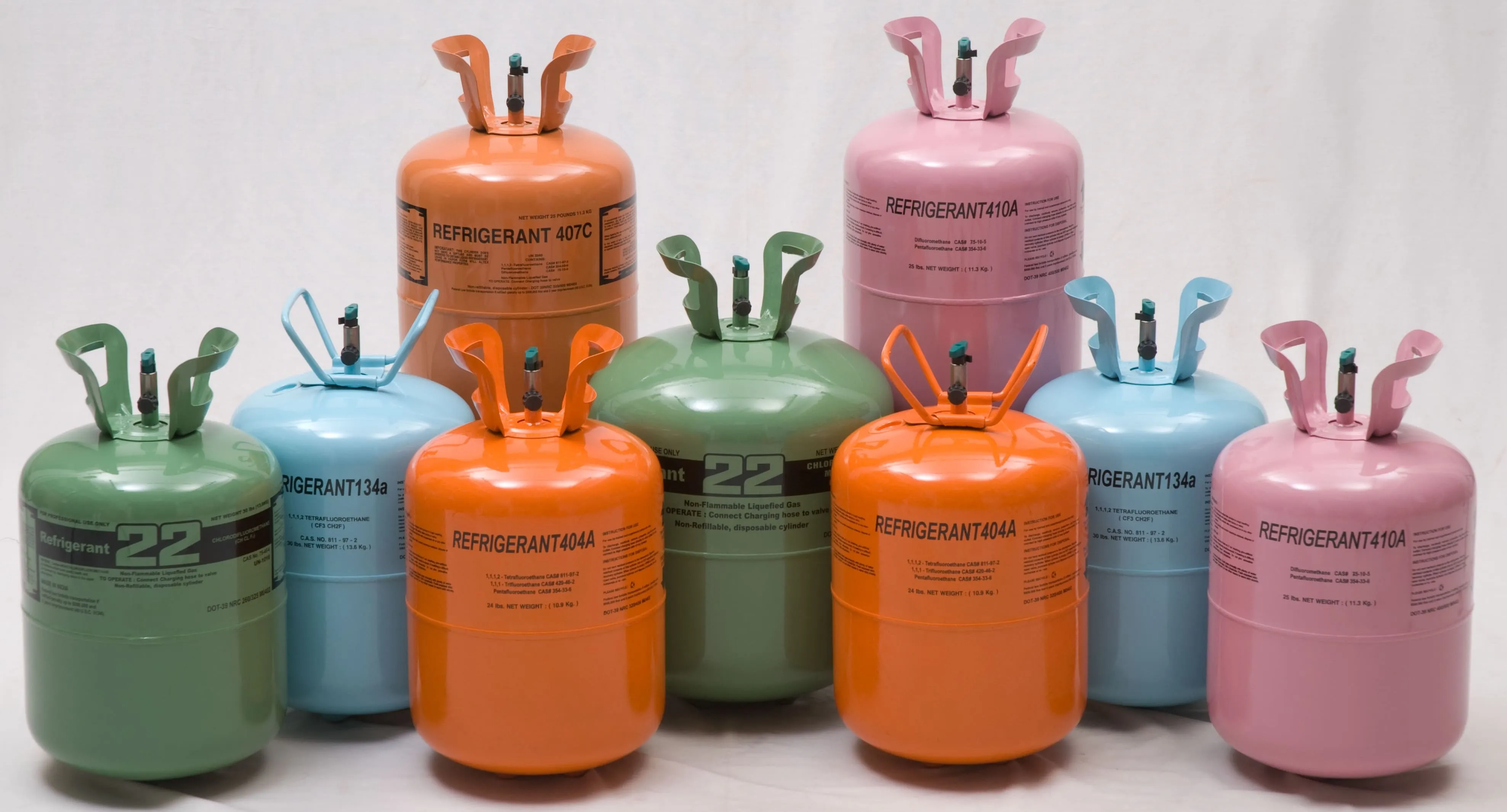
Every AC moves heat using a refrigerant — a chemical that cycles between liquid and gas inside the coils, absorbing heat from your room and dumping it outside. Which refrigerant your AC uses affects three things you actually care about: how efficiently it cools, what a gas refill costs if something leaks, and how legally future-proof the unit is as India phases out older refrigerants.
Side-by-Side: The Quick Comparison
| Factor | R22 | R410A | R32 |
|---|---|---|---|
| Ozone impact | Damaging | None | None |
| Availability trend | Shrinking, pricier | Stable, declining use | Standard, growing |
| Energy efficiency | Baseline | Good | Best |
| Found in | Pre-2015 units | 2015-2022 units | Nearly all new units |
What This Means If You're Buying Right Now
In practice, this decision has mostly already been made for you — walk into any major retailer today and the overwhelming majority of new split and window ACs run on R32. The real value of understanding this isn't picking between R32 and R410A (you'll almost certainly get R32 either way); it's knowing what to check and ask about:
- Check the spec sheet says "R32" before buying — it's usually printed clearly on the box or listing, and it confirms you're getting the current-generation refrigerant, not old leftover stock.
- If you're buying secondhand or an older display-model unit, ask specifically which refrigerant it uses — an older R22 unit priced as a "deal" may actually cost more over time in refill expenses.
- Servicing matters more than the gas type — regardless of refrigerant, a well-maintained AC with no leaks rarely needs a refill at all. The refrigerant type mainly matters if a leak develops.
The Myth Worth Busting Here
"R32 is dangerous because it's flammable" gets repeated a lot, and it's technically true but practically misleading. R32 is classified as "mildly flammable" (A2L) — a category specifically created because it behaves very differently from genuinely hazardous flammable gases. Ignition requires a very specific concentration and an active ignition source in close proximity; it's not a spontaneous risk. Every major global manufacturer — Daikin, LG, Samsung, Voltas, Blue Star — has been shipping R32 units for years with strong safety records, and it's the refrigerant explicitly recommended for new installations under current environmental standards.
The One Number Worth Remembering
If you want a single practical takeaway: R32 has roughly one-third the Global Warming Potential of R410A, while also being slightly more energy-efficient. That combination — better for the planet, better for your compressor's workload — is exactly why the entire industry converged on it as the current standard rather than one manufacturer's marketing choice.